

The future of interim management: Strategic change requires deeper skills

Interim management has never been more important than it is today. Companies are navigating an increasingly complex and fast-paced business world, where strategic changes and transformations often occur simultaneously—sometimes with conflicting objectives. The ability to quickly analyze a situation, establish structure, and drive change has become a critical skill for interim managers.
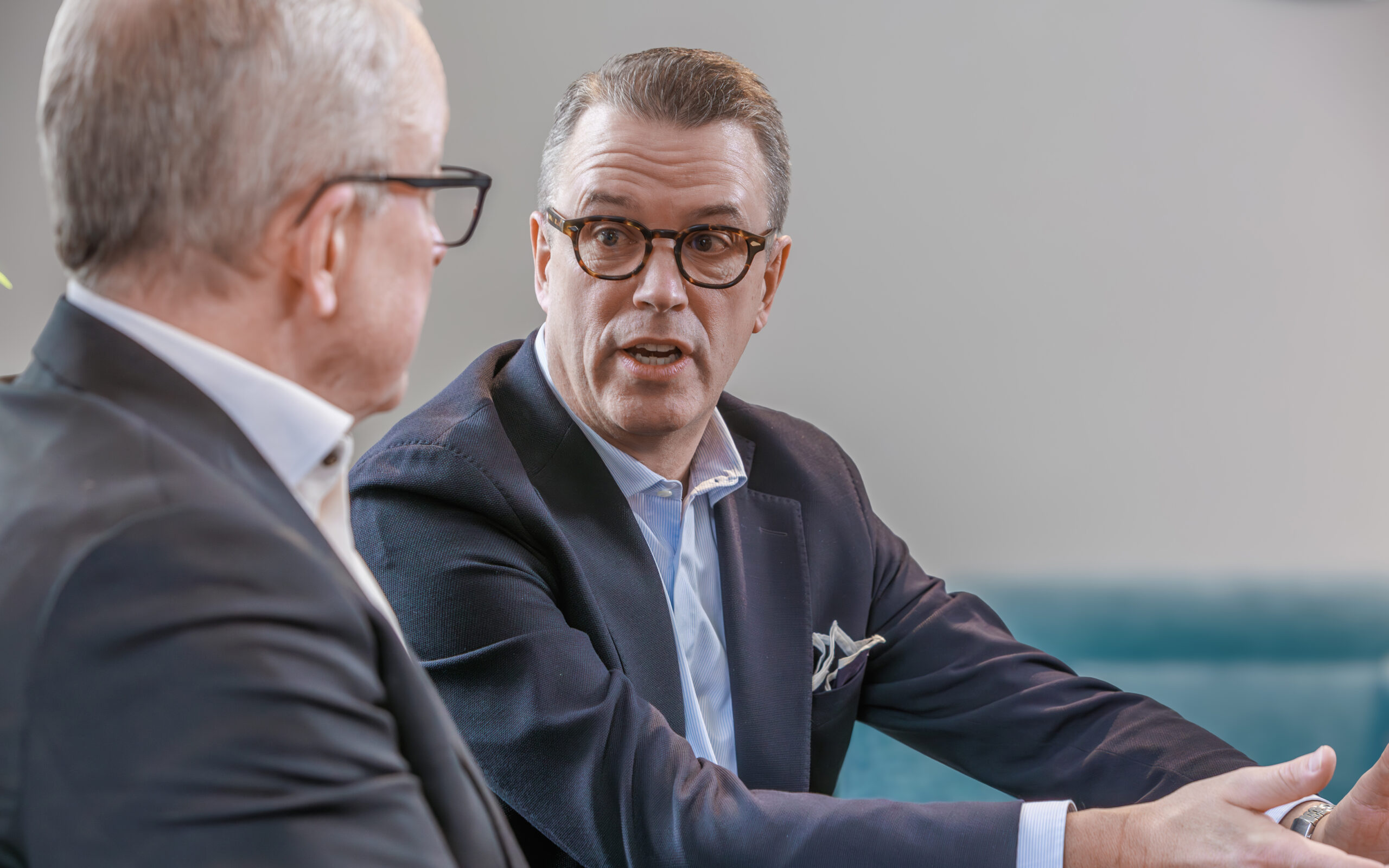
But what does it take to succeed in a role that is constantly being reshaped by new business challenges? Peter Haveneth, a CEO with extensive experience leading transformations and hiring interim executives, has been part of the senior expert group behind Sweden’s first academic program in interim management and believes the industry is facing a significant shift.
"An interim consultant must be able to navigate complex organizations and create lasting value in a short period of time. It’s about more than just experience—it’s about combining practical experience with established theories and strategic understanding," says Peter Haveneth
The Interim Manager as a Strategic Change Leader
Interim executives have traditionally been used to fill temporary vacancies, but today their primary role is to drive change. According to a recent survey by GU Executive Education and Interim Search, companies view interim management as a strategic tool for ensuring successful transformations.
- Interim consultants are increasingly being hired to carry out complex change projects rather than to fill a vacancy
- Demand for expertise in change management, strategic leadership, and business acumen is growing rapidly
- The balance between practical experience and academically grounded methodology will be a decisive competitive factor.
Today, companies are managing multiple parallel change initiatives, which sometimes involve conflicting objectives and require different leadership skills for different stages of change — in this context, interim managers can play a crucial role in ensuring success and are expected to navigate this landscape with the acuity to quickly establish clarity and direction.
The future of interim management requires deeper expertise
Peter Haveneth, together with a group of experts consisting of senior interim consultants and decision-makers, has helped shape the Interim Management Professional Program—a training program that not only enhances individual skills but also sets a new industry standard.
Based on interviews with companies and interim consultants, it is clear that skill requirements are increasing:
- Interim managers are expected to drive change more quickly and in a more structured manner than before.
- Company executives are looking for interim executives who can combine strategic decision-making with a deep understanding of business models and market forces.
- Having an academic seal of quality and a strong network provides a competitive advantage in an increasingly selective market.
If we want to ensure that interim executives can deliver real value, we need to raise professional standards. It’s about elevating the role—not just filling a gap, but actively helping to shape and drive the business strategies of the future.
Would you be interested in developing your skills as an interim consultant?
For interim executives who want to take their strategic leadership to the next level, there is now an opportunity to apply to Interim Management Professional Program. Since the program is designed for experienced interim consultants, selection is based on an expert review.
A panel consisting of the academic program director at the School of Business, Economics and Law at the University of Gothenburg and industry experts evaluates the candidates’ skills and experience to ensure that participants can get the most out of the program.
The goal is to create a dynamic environment where participants not only strengthen their own skills but also contribute to a valuable exchange of knowledge with other interim managers.
A New Chapter for Interim Management
Interim management is entering a new era in which expertise, methodology, and strategy are becoming crucial to achieving tangible business results. By combining practical experience with an academically grounded education, both individuals and the industry as a whole are strengthened.
And according to Peter Haveneth, this is just the beginning.
The future of interim management is about being more than just a short-term solution—it’s about being a driving force for long-term change.