


Framtidens ledarskap: Martin Sjöstrand
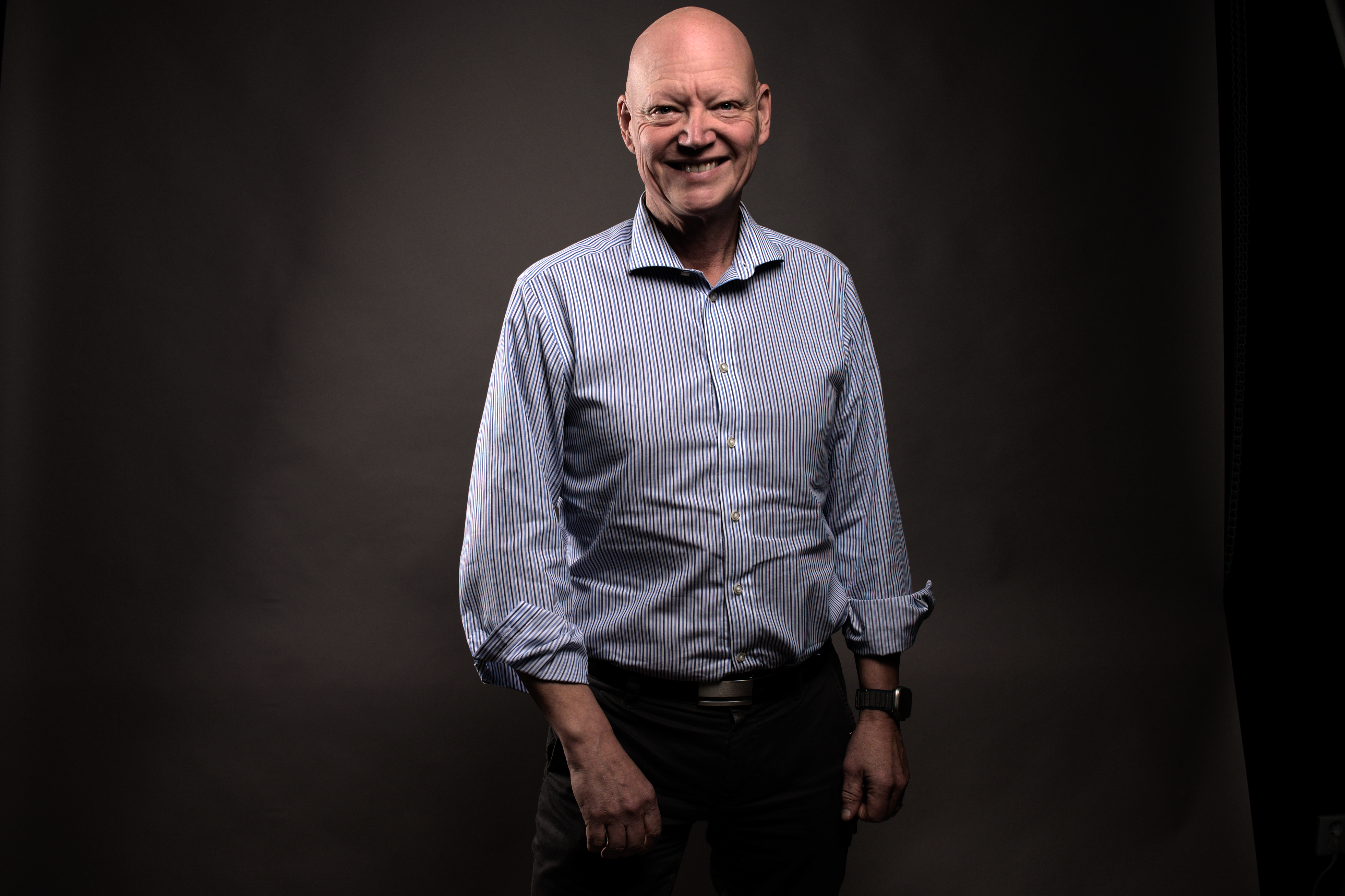
How do interim managers navigate a constantly changing landscape? In the series “The future of leadership”, we talk to industry professionals about the skills needed for the future. The conversations take their cue from the top-level academic training for interim managers to be held in Gothenburg in May 2026, where theory meets practice to equip tomorrow's leaders.
What requirements do you see for interim managers' skills right now?
The most important skill is to be able to quickly build an accurate overall picture. You need to understand how the organization actually works, not just how it is supposed to look on paper. There is rarely time for lengthy analysis, so tools like AI are becoming increasingly important to quickly read market and financial logic. But remember - tools don't replace judgment, they enhance it. Whatever your role, you'll be expected to bring a broad business understanding and perspective that is often lacking internally.
How do you ensure that your skills remain relevant?
I see learning as an integral part of everyday life. Relevance is built through constant business intelligence and dialogue. An important part for me is mentorship; by mentoring younger managers, I gain valuable insight into how the next generation thinks and wants to be led. It actually makes me a better leader here and now.
What skills are most important to maximize your impact in today's fast-paced world?
In an era where nothing is stable, the ability of leadership to provide security, direction and energy is crucial. As an interim, you often step in where people are uncertain about the future. If you can't coach and energize the team, even the best strategies risk staying on paper. Leadership is not about control, but about keeping the organization together when conditions change.
What kind of immersion increases the market value of an interim manager the most?
Market value is built by deepening your craft, not just by collecting certificates. It's about being knowledgeable enough in related areas to be able to challenge and manage the right competencies. I like to take short courses to keep up to date, but the aim is always to become a better decision-maker. Immersion is basically about better judgment, not more diplomas.
What is your best advice to stay competitive going forward?
Remember why you are there. You are there to make a difference and you often have a bigger mandate than you think - use it! But keep in mind that a mandate without the organization with you quickly becomes ineffective. Be humble, but dare to be apolitical.
Do you also want to sharpen your judgment as a leader?
Just as Martin emphasizes, real market value is about deepening your craft and your ability to make the right decisions. On May 18-22, the Interim Management Professional Program in Gothenburg - a unique academic program designed to give you the weight and tools needed for the most complex assignments.