

The future of leadership: Anette Mattsson
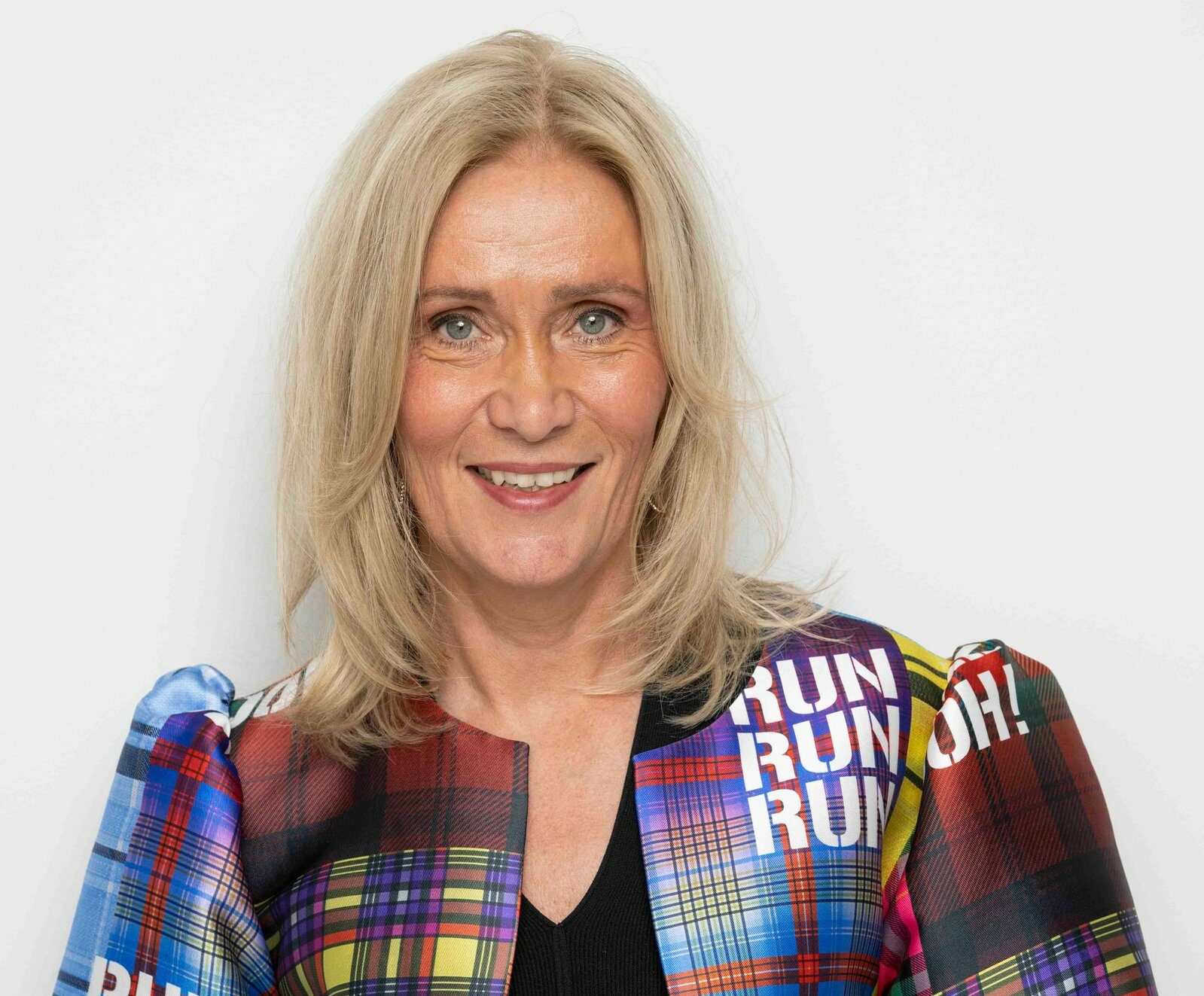
How do interim managers navigate a constantly changing landscape? In the ”Leadership of the future” series, we talk to industry figures about the skills needed for the future. The conversations are based on the academic advanced training for interim leaders to be held in Gothenburg in May 2026, where theory meets practice to equip tomorrow's leaders. Today we meet Anette Mattsson, an experienced leader who emphasizes the importance of psychological safety, responsiveness and the courage to prioritize in complex environments.
What requirements do you see for interim managers' skills right now?
It is no longer enough to be an expert in your field. Today, I see an urgent need to be able to quickly create direction and psychological security in complex and fast-moving environments. As an interim leader, you need to have your ear to the ground to interpret the informal structures of the organization and dare to make decisions even with incomplete information. The combination of strategic acuity, change management and emotional intelligence is crucial to make people feel confident in a change journey.
How do you systematically keep your skills relevant?
I work with continuous learning at several levels and often start from the insight that the specific knowledge already exists among the employees in the company. My focus is on reflection in the assignment - analyzing what has worked and what can be improved. Instead of accumulating many superficial courses, I choose to immerse myself in a few strategic areas. I also use my network of senior leaders as a learning forum. For me, skills development is as much about a change of perspective as it is about new knowledge; experience is a perishable commodity and requires constant curiosity.
What skills are most important to maximize impact in today's fast-paced world?
The ability to quickly read what actually makes a difference - and to have the courage to prioritize accordingly. In an interim role, there is rarely time for perfection or protracted processes. It's about identifying early where the leverage is in the organization, creating focus and translating decisions into action. Impact is less about the amount of activity and more about timeliness.
What kind of immersion do you see as most valuable for interim managers?
I see the greatest value in a combination of change management, organizational psychology and business logic. We are often called in when something is going wrong - whether it is culture, structure or performance. In such cases, methodological knowledge alone is not enough. What really differentiates a senior interim leader is the ability to understand human reactions to change while speaking the language of the management team and the board.
What is your best advice to stay competitive going forward?
Actively choose development, even when it feels uncomfortable. Trust your gut and your experience, but at the same time be self-critical and prepared to rethink the way you lead. The most relevant leaders are those who recognize that their expertise is a perishable commodity that needs constant renewal. By investing in your own development and always striving to deliver genuine value, you will create long-term sustainability in the industry.
About Anette
Anette Mattsson is an interim CEO and change leader with over 25 years of experience in leading organizations through growth, turnaround and transition. She has held leading roles in media, capital and owner-managed companies and is currently active in interim assignments focusing on structure, business logic and psychological security in several industries.
Do you want to turn new knowledge into measurable business value?
As Anette points out, today it takes a deep understanding of both human reactions and business logic to succeed as a leader. On May 18-22, the Interim Management Professional Program in Gothenburg. The program is designed to give you the strategic depth required to deliver measurable value in your future assignments.