
Case Study: Bridging the Gap – From Local Isolation to Global Integration

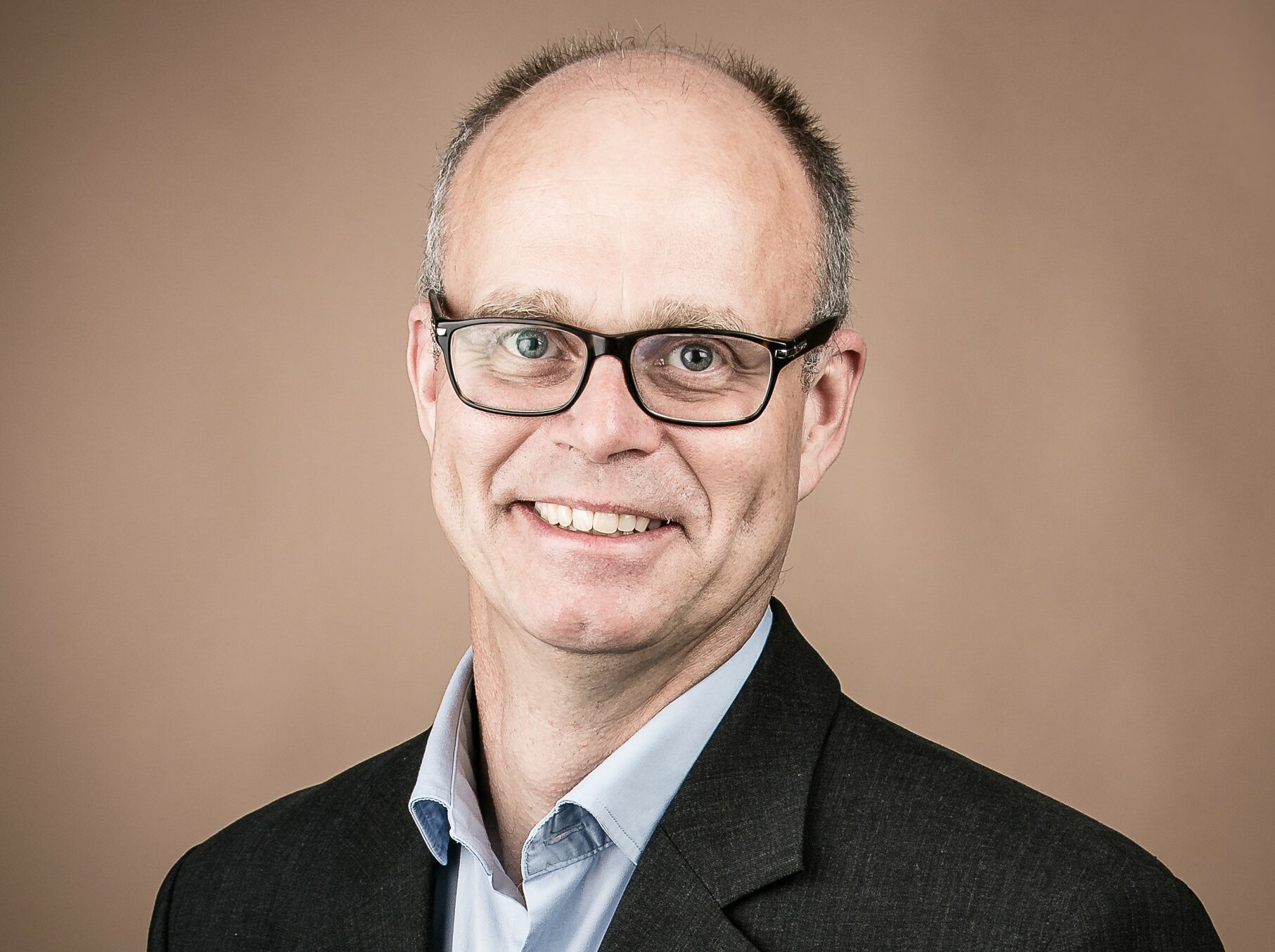
Upon his appointment as interim CFO, Per-Ola Simensen encountered a business unit with deep local roots that required rapid alignment with global head office expectations regarding financial structures, compliance, and reporting discipline. The mission focused on securing data integrity, stabilizing project accounting, and building a robust bridge between operational insights and financial reporting.
Strategic Alignment and Cultural Transformation
A primary challenge was the local operation’s tendency toward silos, functioning as an isolated unit. Discrepancies in the interpretation of group guidelines affected everything from cost allocation to profit margin tracking. Per-Ola immediately implemented a “one system, one company” philosophy to ensure the local entity moved in lockstep with the rest of the group.
By entering the organization as a business partner rather than an external auditor, he effectively navigated the matrix between local operations and regional/global leadership.
“We are here to pull in the same direction. By being both approachable and decisive, we transformed a reactive culture into one defined by proactivity, a business-first mindset, and strict adherence to corporate standards.”
Operational Excellence through Data-Driven Governance
Rather than pursuing complex process re-engineering, Per-Ola focused on activating the knowledge within existing personnel, data and systems. Valuable data and KPIs were extracted directly from the ERP system and reviewed rigorously with the leadership team. By taking immediate action on deviations, he established a level of transparency and trust that had previously been missing. The organization shifted toward fully trusting the ERP’s unified processes, making verified facts the primary tool for business reviews, executive decision-making and precise forecasting.
To enhance precision in project accounting, field operations were directly integrated into the financial framework. By demystifying financial targets, he fostered mutual ownership of the figures and an understanding of how daily operational tasks impact the balance sheet and overall performance. New procedures for reconciliation, accruals, inventory management, freight costing and forecasting were introduced, providing full visibility over working capital and strengthening control over both top-line and the bottom-line developments.
A Sustainable Legacy
Per-Ola hands over a stabilized finance function with significantly higher precision in project accounting, financial analysis, and general adherence to corporate standards. By replacing “firefighting” and siloed thinking with structured methodologies working methods and shared objectives, he has laid the foundation for long-term success.
“We have built a platform where expectations and processes are clear. There is now a concrete roadmap founded on strategic focus areas to ensure that this momentum continues long after my mission concludes.”
Read more: Case Study: Fredrik Östman on operational management and change leadership in Norway