
Lottie Knutson: “coaching leadership will be difficult now”
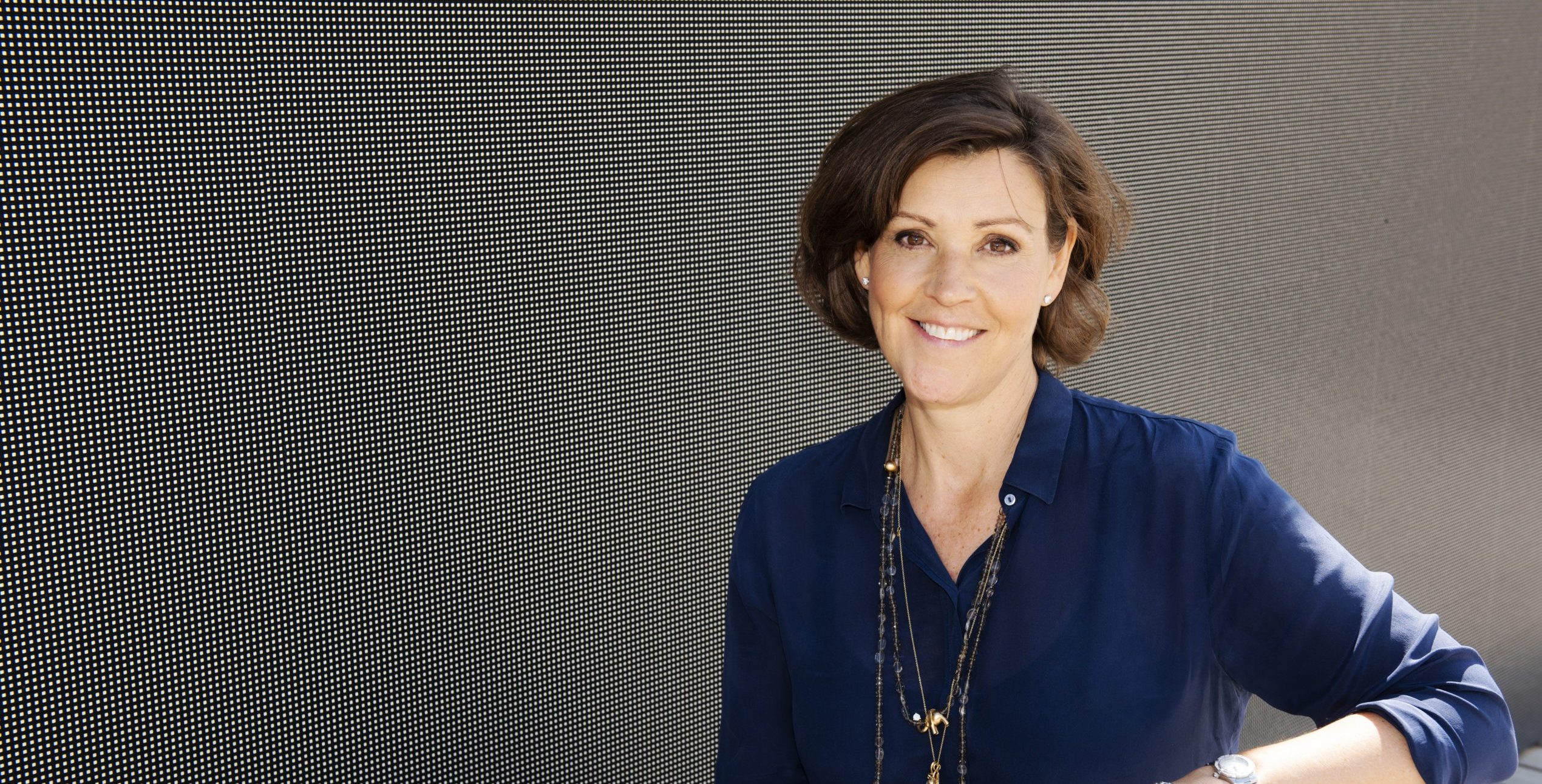
She became a trusted voice in the midst of a national disaster more than 15 years ago. Today, Lottie Knutson is a travel expert, speaker and boardroom professional. We spoke to her about good old-fashioned SWOT analysis and exemplary leadership in troubled times.
Lottie Knutson is no stranger to turbulent industries where crisis management is almost a part of daily work. Largely trained in the aviation industry, she has been professionally involved from a young age in everything from the Gottrøre crash to unexpected ash clouds.
- For me, messy situations have been commonplace. We have experienced external crises such as the tsunami, the ash cloud, swine flu and server crashes. I have also been active on boards for many years and have been involved in removing and appointing CEOs as a natural part of my board duties. Over the years I have learned that some disruption is okay, it's important to be reasonably comfortable with it so you don't get stressed when it comes.
What is the practical way to regularly put crisis management on the agenda?
The most important thing is that you prepare and practice, and then that senior management participates so that employees take it seriously. There are still many who have never been involved in a crisis exercise when the whole company is involved. The important thing is not the scenario or how to carry it out, but that we understand how we ourselves function under pressure. Our human reaction patterns are broad and we can learn from witnessing different reactions. As a leader, it is useful to see how your people function so that you can optimize the team.
Your leadership as Director of Communications at Fritidsresor was positively recognized during the tsunami disaster. What do you consider good leadership in times of crisis?
I believe that there is a need for clear leadership and a management that makes quick decisions. At the same time, there should be close communication. Leadership is being put to the test in many places now, and as captain you must not abandon the ship. In this respect, it is incredibly important to be clear about the direction - where are we going? If we draw a parallel with the communication from Swedish politicians and authorities, the crisis management is good, but I personally would also like to see a longer vision of where we should be after the acute crisis. It is a solid tip for leaders, what you yourself lack as a citizen, your employees may lack from you as a manager. Although none of us has the whole picture, it is the job of management to try to set a direction.
Leaving aside direct leadership, what do you think the crisis will do to board discussions and strategy work?
I actually think that these standard analyses such as target group segmentation and SWOT will be high on the agenda again. In the past, this classic analysis work has been done somewhat routinely, but I think it will become highly relevant now. Then there are small-scale examples of players in crisis industries who have seen and acted on new business opportunities. For example, this weekend I visited a luxury renovated small boutique hotel called Villa Baro. It has opened with a top restaurant, meeting facilities, yoga and golf - in the midst of the coronavirus crisis. Talk about brave? So maybe you will book a few days in Åtvidaberg instead of Mallorca this summer.
In 2004, Lottie was the Director of Communications for Fritidsresor. When the tsunami disaster occurred and affected many Swedes, Lottie's actions and leadership were noticed. Lottie talks openly about that time and despite the tributes, she thinks there are mistakes there that she learns from today.
- This old cliché of putting on the oxygen mask yourself before helping others is not so wrong. It works to work for 24 hours without sleep and also get some kind of martyr's halo for being seen to have helped the company. However, few crises last for 24 hours, so the need to have structures, force people home and work three shifts is very important. It sounds very basic but the upper echelon tends to want to push us forward even more in times of crisis when we really need the basics the most - eating, sleeping and resting. It wasn't so stupid in the old days when you had a time clock because if you look at today, Swedish managers find it harder to distance themselves and then of course you become more vulnerable if you hang your whole person on your professional role. I myself was in love with my employment number and would defend and explain the brand in all situations. That's good, of course, but there's not much left for your private sphere.
Overall, Lottie is convinced that the Swedish model of leadership could be challenged during the coronavirus crisis, when everything is no longer about reaching consensus.
- Many leaders who have been trained in courses on how coaching and conflict avoidance they should be will find it difficult now. Suddenly you're sitting there, managing a team remotely while you see that productivity is falling, quite quickly too. That nice coach will suddenly become a butcher and lay off 90 percent of the employees. If you find it difficult to make tough decisions, you may become uncomfortable in your leadership role when you no longer work in a tailwind. What you have learned during all these management courses is often that you should manage objectives on a one-year basis and be very insightful, while you are now forced to distribute tasks by the hour and follow up more results-based. It is difficult to synchronize towards the same direction when half work from home. Those who find it more efficient to sit alone may not want to be part of a shared workplace, but then we are talking about small mini-companies or one-man investigations.
Perhaps the watchword for leadership is visibility?
Yes, I keep telling the captain not to abandon ship, but it's so incredibly important. I sometimes bump into restaurateur Pontus Frithiof, who has a small restaurant empire in Stockholm and runs a café in the DN and Expressen buildings. There he is on an ordinary day, which to me is good leadership! There are so many examples of the opposite, where captains of large groups make themselves unreachable, lay off staff early and disappear. That impresses me less than a Pontus Frithiof who goes around to all his restaurants every day.
The conversation about the right type of leader naturally turns to interim management recruitment and the need for different managers for different phases of a company's journey. Lottie believes that soft skills are key and that personality determines suitability for the leadership role.
- If there's one thing I've learned from board work and executive recruitment, it's that it's all about the right profile for the right job. The cliché that ”we needed another CEO for new challenges” is actually not untrue, it is true that depending on where the business is, completely different profiles and skills are needed. It is not the same thing to be an enthusiastic coach in a tailwind as to be a butcher with a hard stance when 90 percent of the business is to be removed. If we succeed in changing and becoming more agile, the need to bring in and out skills will naturally increase.
Photo: Theresia Jatta Köhlin