

Change with interim as a tool

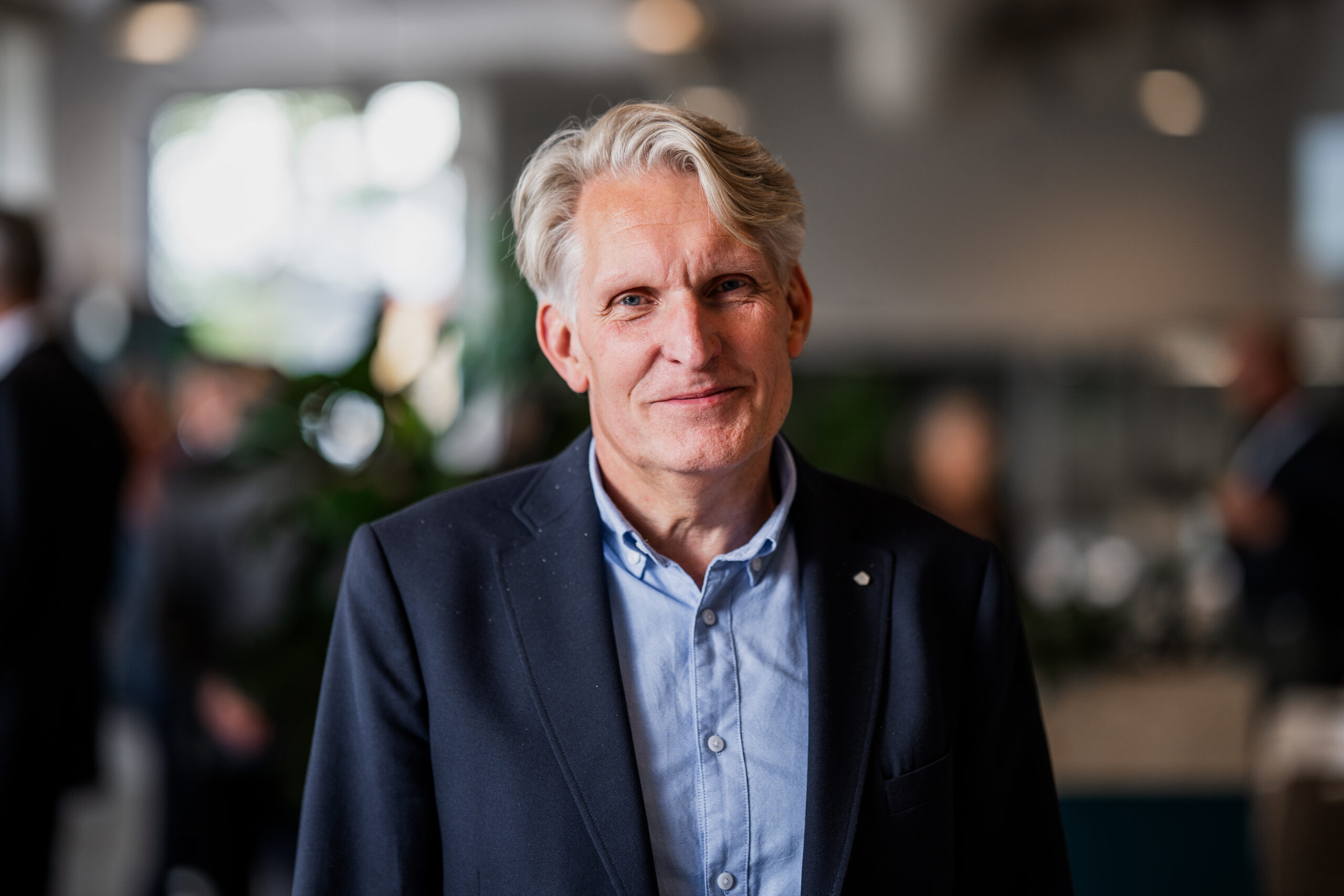
In his role as Managing Director of Eltel Networks TE and today as Operations Director of Solution Unit High Voltage, he has played a major role in leading Eltel's transformation journey. We caught up with Johan Malmberg to discuss how he has used interim consultants to drive effective change.
At what stages of Eltel's change journey have you used interim consultants?
I have taken in three interim consultants during the transformation process that Eltel has undergone. When I took over the CEO role for Power Transmission International, there were a number of areas we had to review, including bringing in an interim CFO in a position that had not previously existed in this part of the business. We needed someone to take on the traditional CFO responsibilities within this business that was being built up for a potential sale. It was the first interim recruitment and it was important to get the right person in place quickly as we were in the middle of a challenging transition process that was followed with great interest by the media.
The second recruitment was when we did a review of contracts and realized that we needed to strengthen the focus on contract management. We decided to bring in an interim contract manager, and again we wanted to do it efficiently and didn't know how long we would need the role. Since then, we have brought in another contract manager in the part of the business that I am responsible for today. As in the first case, we found that we needed to strengthen the focus on contract management and evaluate whether we needed such a role permanently in my part of the organization or whether we should have it in the operational flow. To better manage contract management, risk and financial follow-up, we needed to bring in competent resources at short notice.
Our interim recruitments have been part of the transition to becoming a more professional project company.
Why did you choose interim solutions for these needs?
I appreciate that you can work with fast pucks but also with a minimal effort from our side, and then interim solutions preferable to conducting a traditional recruitment which can be more lengthy. We also don't have the network to quickly bring in someone with the right profile quickly. Being responsible for the entire interview process ourselves, sifting through a large number of applications, picking a shortlist and interviewing a number of candidates is a time-consuming process. At the time, we did not have the resources to carry out that process in a qualitative way.
In our interim recruitments, it has been days before we have received suggestions for good candidates. If we had a regular recruitment process, it would have taken weeks before we even had any names to start working with. If you're going to do a traditional recruitment, there are also notice periods to take into account, so it's three months in general from the time you've decided until a person is on board.
Is there a trend to hire interim consultants to test a new role?
It's hard to speculate but yes, maybe it could become more common to use interim consultants in that way. You want to try out a role and are not ready to go out and recruit it permanently, but want to see how the position works in the structure and organization first. An interim solution can show whether it provides the business value that is intended. I think it is an attractive form. When you bring someone in, especially if it's a senior person, you have to explain why we're doing it and why it's a long-term position that will be there over time. You don't have to do that with an interim consultant in the same way. You can say that we're trying this out for six months and we don't know what will happen next. If you then have a supplier who can offer to employ the consultant after the assignment, there is also the possibility that the collaboration will be long-term.
As for interim consultants, like myself, they must be change-minded people who are used to changing processes and mindsets of employees.
Is there anything you evaluate extra in an interview situation for an interim consultant?
I look at two main elements when I do my part of the interviews. One is that they fill the technical requirement specification. But also the personal profile, do we think this is a person who will fit into our team, our mentality and the company culture we want to build going forward? In the world we have been in, where there is an extreme amount of forward thinking and thinking outside the box, it has not been the time to bring in a person who is used to having everything documented in endless specifications. Instead, we have looked for entrepreneurs who can go in independently and form their own opinion on how we take this further in a structured way and how we develop from the current situation we are in to the situation we want.
How to ensure that the interim consultant is given the right conditions to deliver in the mission?
The consultant must have strong support from the person they report to. That they agree on what needs to be done and can always lean on them for support. The second part is to become part of the team as soon as possible and that is why I am so keen to get the right person profile. If you become part of the team and show that you have something to contribute, you have created a good platform for delivering results. To give a concrete example, in one case when we brought in an interim consultant, we selected two projects where we had some challenges and decided that we would start with these projects and then evaluate. We placed the interim consultant as a member of these teams and let her work closely with the project teams. I think it's important to have an idea of where to start. We had the same idea with the first contract manager we brought in, there we also didn't start on a broad front but started with two projects so that we could show the business benefit and that it actually adds great value to the projects, then it didn't take long before he was involved in more projects. I think it's important, especially with new roles, that the teams working in the different projects or departments feel that it quickly generates benefits for them.
What trends do you see in Interim Management?
Companies today need to have a faster pace of change to keep up and then it is important to have the right people in place all the time. This will probably drive the need to have interim consultants from one time to another. It is also important that the supplier ensures the quality of the consultants and meets other requirements. For example, we have a standard requirement that all hires undergo background checks and that everyone has comprehensive liability insurance. We also require suppliers to provide guarantees that they will replace a consultant who chooses to leave, as a safeguard in the unlikely event of such a situation.
Given the pace that we see, especially in listed companies such as Eltel, I believe that the need for interim consultants will increase.
What are the key success factors in your change journey?
Change management is very much about communication. When you have really difficult change processes like closing down or selling a business, how do we motivate people to stay and do a good job? I think it's very much about describing where we are, where we are going and how individuals fit into this and how they will be affected. In this case, it has been a question of creating incentives in the form of motivational factors for everyone involved. And despite the very difficult issues we had to deal with, it has gone relatively well, although of course there are always things you could have done better.
It has, of course, been a gratifying journey insofar as the hired expertise has, in some cases, been in demand in the projects since before. As a leader, it is important to be sensitive to what skills are missing in the organization so that we can develop further and then secure these in a competitive way. There they have interim consultants that have come in under my responsibility have played a significant role in the success so far.