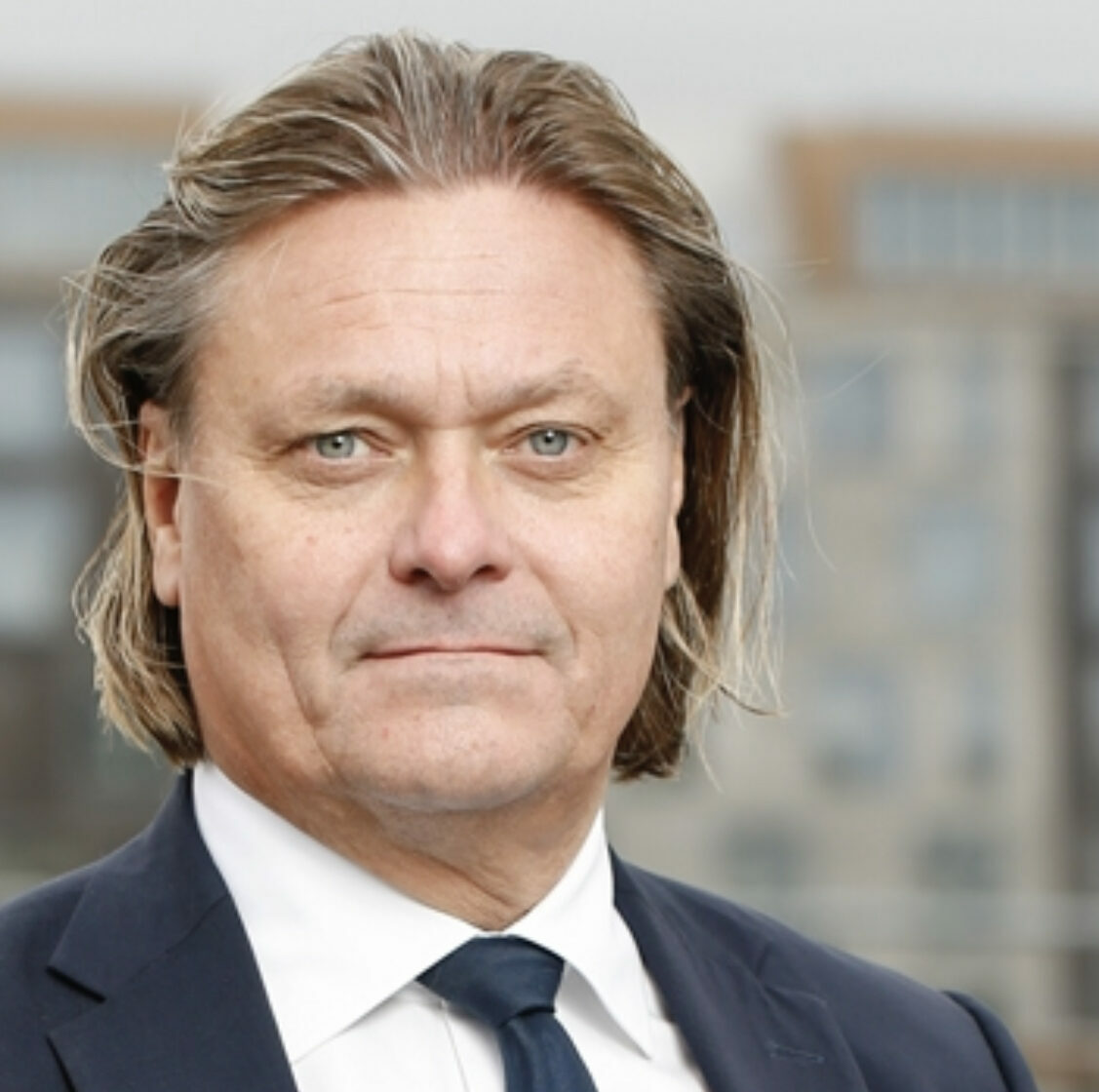

The future of leadership: Per-Ola Nilsson
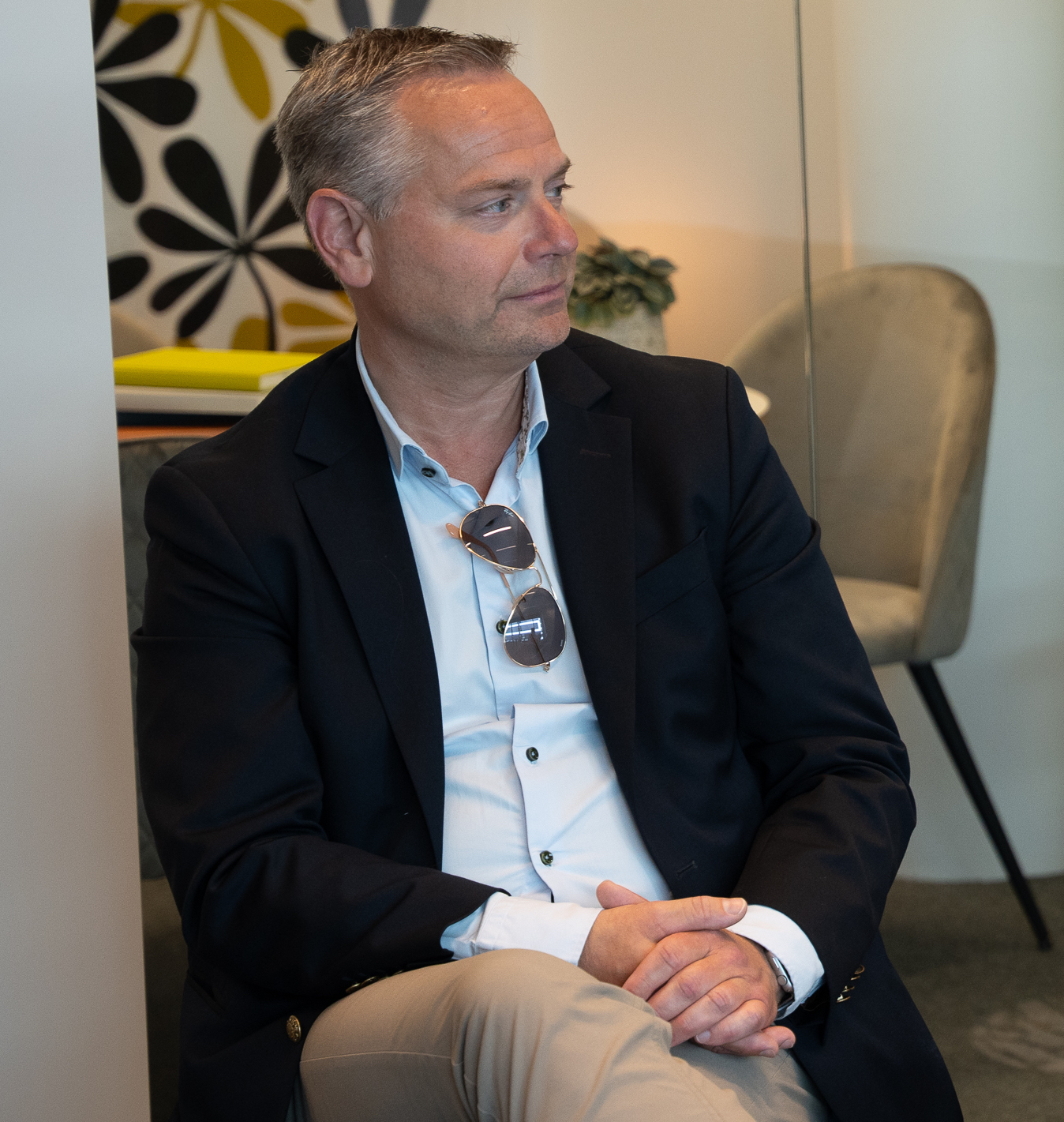
How do interim managers navigate a constantly changing landscape? In the series ”The future of leadership”, we talk to industry professionals about the skills needed for the future. The conversations are based on the academic excellence program for interim leaders that will be held in Gothenburg in May 2026, where theory meets practice to equip tomorrow's leaders. Today we meet Per-Ola Nilsson, an experienced change consultant who emphasizes the importance of breaking down silos and understanding the invisible forces in a room.
What requirements do you see for interim managers' skills right now?
A major challenge today is managing organizations shaped by remote working. This has often reinforced silo thinking and weakened inter-professional interaction, inhibiting both innovation and speed. As an interim leader, it is therefore critical to be able to create and lead teams where different professions actually work towards common goals. It's about getting management to understand why the way of working needs to change and then quickly getting people to start collaborating for real.
How do you systematically keep your skills relevant?
I work on two levels. On the one hand, ongoing business intelligence through podcasts, lectures and exchanges with colleagues. On the other hand, through very targeted training linked to specific assignments. It can be anything from medical technology regulations to IT management. The aim is not to become a specialist, but to be able to make wise decisions at the interface between business, technology and management.
What skills are most important to maximize your impact in today's fast-paced world?
Active listening combined with a clear holistic perspective. In complex and sometimes politically driven organizations, both the formal mission and the informal culture need to be understood quickly. Real impact comes when the organization has confidence and actually wants to follow through. This requires you to be able to shift your leadership style according to the situation and to do so with both clarity and respect.
What kind of in-depth training do you see as most valuable for an interim manager?
For a generalist manager, it's about self-awareness and a deep understanding of group dynamics, power structures and human reactions to change. In assignments where you face boards or strong professions, it is often this understanding that determines whether you succeed or not. It's about understanding the invisible forces in a room.
What is your best advice to stay competitive going forward?
Learn to ‘look next door’. Actively seek out lessons learned in contexts that are not the obvious ones and translate them to your current organization. Many of the things that have worked best in my assignments have come from completely different industries. Daring to challenge ingrained patterns of thinking - even your own - is crucial to stay relevant in the long run.
About Per-Ola Nilsson
Per-Ola Nilsson is a senior interim leader and change consultant based in Vellinge with over ten years' experience of leading in complex, often politically driven organizations. He is regularly hired for roles as interim CEO, head of operations or project manager, especially in contexts where confident leadership and the ability to quickly translate analysis into practical action are required. Through his broad background in the public sector, he has developed a particular strength in managing multi-stakeholder environments, balancing a holistic strategic perspective with an operational focus on restoring stability or driving growth.
Do you want to get better at managing in complex structures?
As Per-Ola points out, understanding group dynamics and power structures is often crucial to success. On May 18-22, the Interim Management Professional Program in Gothenburg. The programme gives you the academic depth and tools you need to lead interprofessionally and create results in modern organizations.