

The Interim Manager in the Digital Age: Developing and Networking in a Changing World

Interim management has never been more relevant than today. In an era of rapid technological development, digital transformation and changing business models, interim managers must not only understand change - they must also adapt to it.
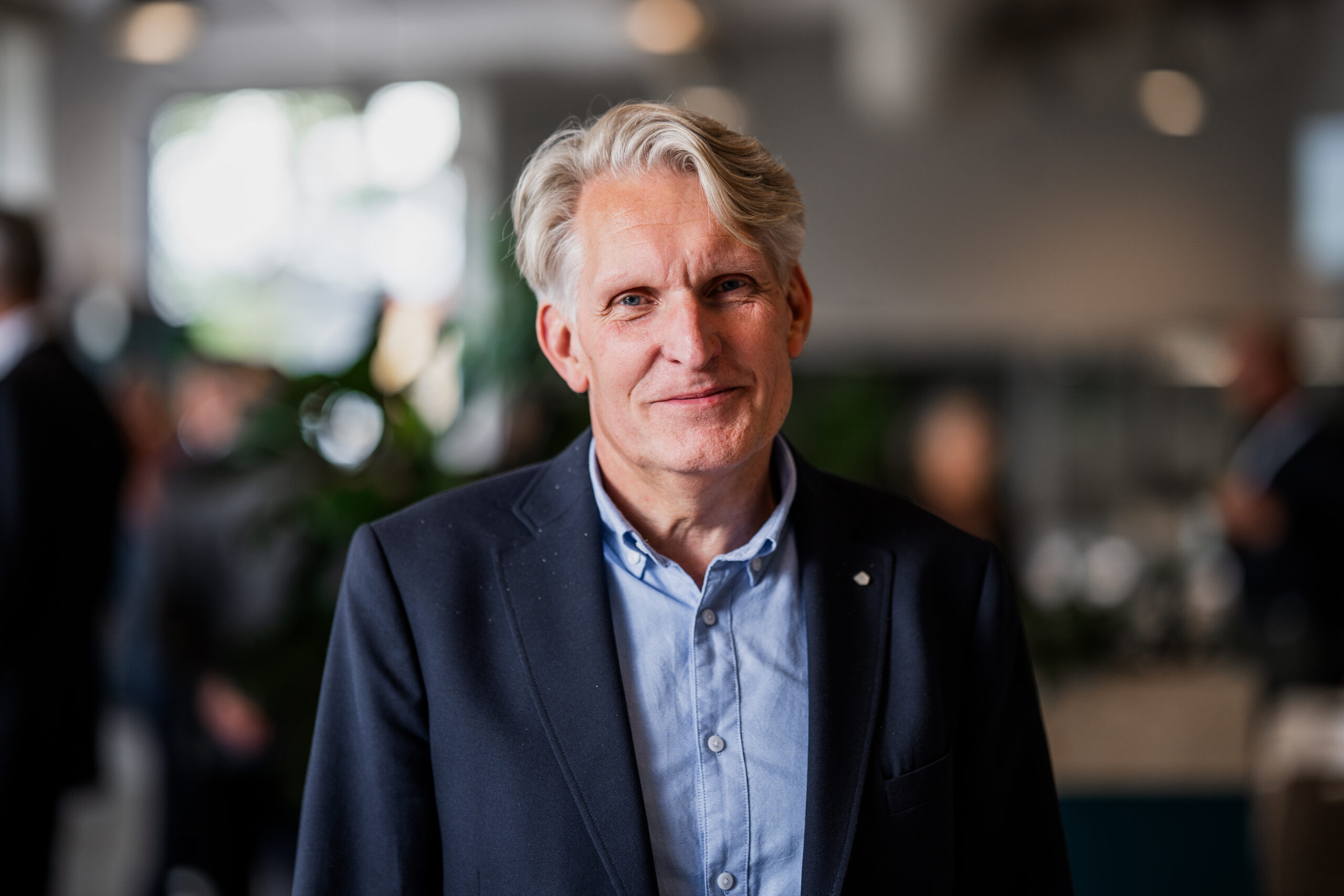
Daniel Sköld is an experienced CEO in digital communication companies and as CMO/COO in listed media, telecom and iGaming companies. He is also a member of the expert group behind Sweden's first academic program in interim management, and believes that the key to success lies in continuous learning, networking and keeping up to date on the latest tools and methods.
I believe that experienced interim managers need to educate themselves in every way they can. The world is changing, and as leaders we need to change too. It's about understanding new trends, but also about creating valuable networks that can be crucial in future assignments.
The impact of technology on interim management
Digitalization and AI have rapidly changed the way companies make decisions, organize themselves, and interact with the market. Today, interim managers are expected not only to be operational leaders, but also to understand and manage digital transformation.
- AI and automation are creating new ways of working and changing leadership skills.
- Data-driven decisions are becoming increasingly important, requiring interim managers to be able to analyze and understand business data.
- Fast-moving markets require leaders who can adapt strategies and business models in real time.
I believe that AI and digital transformation will be crucial to how we look at people, skills and strategy going forward. Interim managers need to understand these changes and be ready to work with them.
The importance of networking - the key to future missions
One of the greatest values of the Interim Management Professional Program is the opportunity to build long-term and strategically valuable relationships. Daniel believes that a strong network is an interim manager's greatest resource - both for finding the right assignments and for succeeding in them.
- A good network gives access to new opportunities and collaborations
- Surrounding yourself with other experienced leaders enables knowledge sharing and new perspectives
- Interim managers often work alone - a strong network provides support in difficult decisions and complex change processes.
I believe that interim managers who attend this training will not only gain new insights, but also a network of like-minded people that can be crucial in future assignments.
Learning as a competitive advantage
Daniel has created and delivered executive training himself and knows what it takes for a training program to deliver real value. He believes that the interim manager who wants to be competitive going forward must be open to evolving.
- Change management is a skill that needs to be continuously updated
- Continuously learning new tools and methods strengthens the interim manager's ability to deliver results
- Customers want managers who are up-to-date on the latest strategies and digital trends.
Sometimes we think we are as sharp as we want to be, but training and networking with experienced interim managers can provide new perspectives and insights. It is an investment in your own future competitiveness.
Secure your place in Sweden's first academic program for interim managers
During the period May 12-16, Sweden's first academic training will be held at the Gothenburg School of Economics. The program is developed in collaboration between Interim Search and the Gothenburg School of Business. For more information and application to the program, read here.
The future of the interim manager - a new standard for the industry
Daniel sees a future where interim management will be even more in demand, but where skills requirements will be higher. Companies are no longer just looking for a temporary solution, but a leader who can drive strategic change and create real value in a short time.
Interim managers will become an increasingly natural part of corporate change management. But it also means that demands are increasing - both on us as leaders and on our ability to understand, drive and implement change.
By combining technological understanding, a strong network and a willingness to constantly evolve, interim managers can ensure they are ready for the challenges - and opportunities - of the future.